Unlocking the Potential of Structural Steel in Pasadena Fabrication Projects
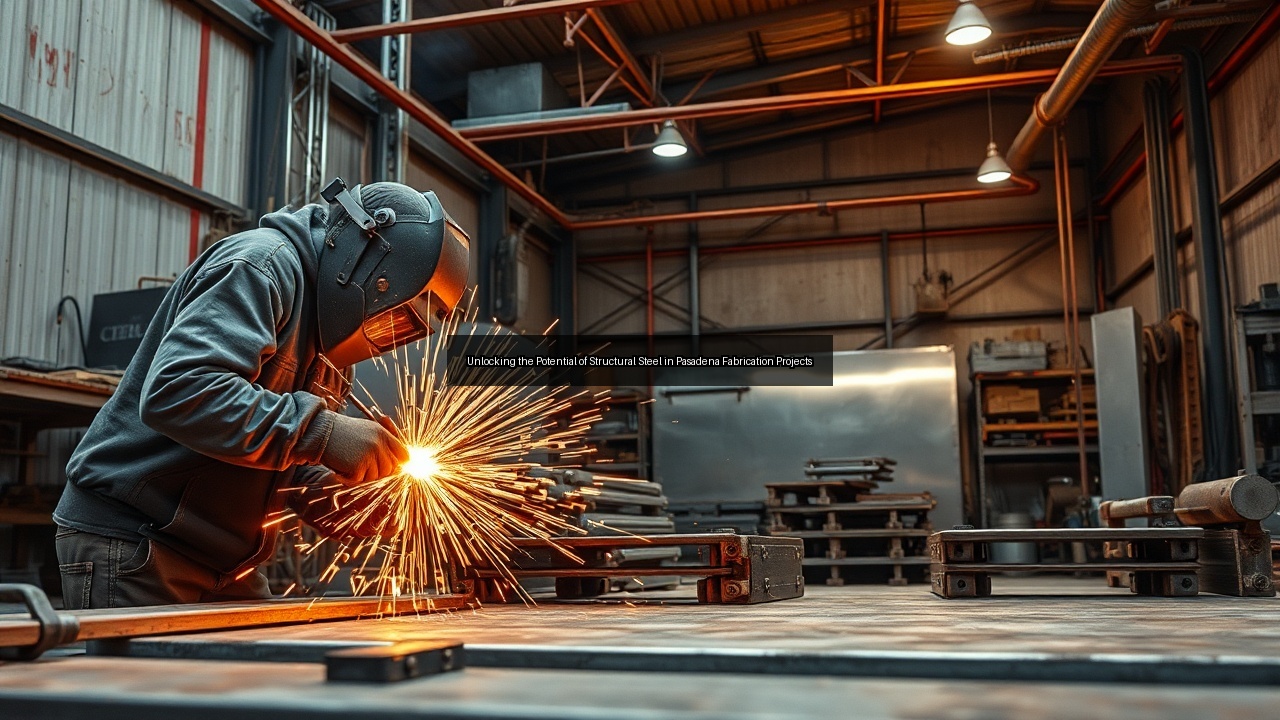
The Importance of Structural Steel in Pasadena Fabrication
Understanding Structural Steel
Structural steel forms the backbone of durable construction across Pasadena projects. This material consists of iron alloyed with carbon and other elements to deliver high tensile strength and resistance to environmental stress. Fabricators shape it into beams, columns, and frames that support buildings, bridges, and industrial facilities. In metal fabrication Pasadena, teams select grades based on load requirements and local seismic codes. The process begins with precise measurements and ends with protective coatings that extend service life. Professionals rely on this versatile metal because it allows rapid assembly while maintaining structural integrity under heavy use.
Engineers appreciate how structural steel performs in both tension and compression without excessive deformation. Local suppliers in Pasadena, California deliver stock that meets ASTM standards for consistency. Fabricators then cut, drill, and assemble components to exact specifications. This foundational knowledge helps clients understand why steel outperforms alternatives like concrete in many applications. Projects gain speed and flexibility when teams start with a clear grasp of material properties and fabrication limits.
Benefits of Using Steel in Fabrication Projects
Steel delivers unmatched strength-to-weight ratios that reduce foundation demands and speed up erection timelines. Fabricators create lightweight yet robust assemblies that lower transportation costs and simplify on-site handling. In Pasadena fabrication work, this translates to fewer delays and lower labor expenses. The material also supports modular designs that adapt to changing project needs without major rework. Recyclability adds another layer of value since scrap returns to production cycles with minimal energy input.
Corrosion-resistant coatings and advanced alloys extend performance in coastal or industrial environments near Pasadena, CA. Welders achieve strong connections that maintain load paths through decades of service. Clients benefit from predictable performance data that supports insurance and permitting processes. Overall, steel fabrication reduces long-term maintenance compared with wood or aluminum options while providing superior fire resistance ratings.
Common Applications of Structural Steel in Pasadena
Commercial buildings throughout Pasadena rely on structural steel for open floor plans and multi-story designs. Fabricators produce moment frames and bracing systems that satisfy strict earthquake standards. Industrial facilities use steel platforms, mezzanines, and crane runways to support manufacturing operations. Metal fabricator teams also create custom stair towers and canopies that enhance pedestrian safety and aesthetics.
Public infrastructure projects incorporate steel trusses for sports venues and transportation hubs. Sheet metal elements integrate with primary frames to form weather-tight enclosures. In Pasadena, California, renovations often involve steel reinforcements that preserve historic exteriors while upgrading interior capacity. These applications demonstrate why local fabricators maintain specialized equipment for both new construction and retrofit work.
Key Processes in Metal Fabrication
Overview of Metal Fabrication Techniques
Metal fabrication encompasses cutting, forming, and joining operations that transform raw stock into finished components. Plasma and laser cutters deliver clean edges on plate and sheet metal while preserving material properties. Press brakes bend sections to precise angles required by architectural drawings. In Pasadena metal fabrication services, shops combine these steps with quality checks at each stage to avoid costly rework.
Assembly techniques range from bolting for field adjustments to permanent fastening methods. Fabricators document every dimension to ensure interchangeability across multiple units. This systematic approach supports both high-volume production and one-off custom fabrication. Understanding these techniques helps project managers anticipate lead times and material waste factors before work begins.
TIG Welding: A Preferred Method for Precision
TIG welding produces clean, high-strength joints on stainless and carbon steel without excessive spatter. The process uses a non-consumable tungsten electrode and inert gas shield that protects the weld pool from atmospheric contamination. Skilled welders control heat input to minimize distortion on thin sheet metal and complex assemblies. Pasadena fabricators choose this method for visible architectural elements and pressure-containing vessels where appearance and integrity matter equally.
Proper joint preparation and filler selection ensure welds meet AWS codes common in California projects. TIG welding allows operators to work in tight spaces where other processes prove impractical. The resulting connections exhibit superior fatigue resistance under cyclic loading. Fabricators invest in training and equipment to maintain consistent results across varying thicknesses and alloys.
The Role of Welders in Structural Steel Projects
Welders execute critical connections that transfer loads through frames and trusses. Their expertise determines whether assemblies perform as engineered under service conditions. In metal work environments, these professionals read blueprints, set up fixtures, and verify fit-up before striking an arc. Pasadena metal fabrications depend on certified welders who document procedures for inspection and approval.
Experienced welders adjust parameters for different steel grades and joint types, preventing defects that compromise safety. They also perform post-weld treatments such as grinding and inspection to meet acceptance criteria. Coordination with fabricators ensures weld sequences minimize residual stresses. This hands-on contribution directly influences project quality and schedule adherence.
Selecting the Right Metal Fabricator in Pasadena
Criteria for Choosing a Metal Fabricator
Shop capabilities, certifications, and past project records guide selection of a metal fabricator. Clients review equipment lists to confirm capacity for required plate thicknesses and weld procedures. Insurance coverage and safety records protect against liability during metal works. References from completed Pasadena jobs reveal reliability in meeting deadlines and quality standards.
Communication practices and design-assist services separate top performers from average shops. A capable fabricator offers value engineering suggestions that reduce costs without sacrificing performance. Location within Southern California matters for delivery logistics and site visits. These factors combine to create partnerships that deliver consistent results across diverse project types.
Top Metal Fabrication Services in Pasadena
Leading metal fabrication services Pasadena provide end-to-end support from detailing through installation. Full-service shops maintain in-house cutting, welding, and finishing departments that shorten supply chains. Specialized teams handle both structural steel and architectural sheet metal work. Pasadena, California clients benefit from local knowledge of permitting requirements and material suppliers.
Many facilities offer plate fabrication, custom brackets, and railing systems alongside primary framing. Integrated quality programs track material traceability from receipt through final delivery. This breadth allows one vendor to manage multiple scopes, reducing coordination overhead for general contractors.
Custom Fabrication: Tailoring Solutions to Your Needs
Custom fabrication addresses unique site conditions and architectural visions that standard components cannot satisfy. Fabricators work from client drawings or develop solutions through collaborative modeling. In Pasadena metal custom fabrication, teams produce ornamental elements, equipment supports, and retrofits that match existing structures. Material selection, finish options, and connection details receive individual attention.
Iterative prototyping allows adjustments before full production begins. This flexibility supports renovations where dimensions vary from original plans. Clients receive durable, code-compliant items manufactured to exact specifications rather than forced compromises. The result improves both function and appearance of completed projects.
Logistics and Planning for Steel Fabrication Projects
Supply Chain Considerations in Metal Work
Steel availability and mill lead times affect project schedules from the outset. Fabricators maintain relationships with regional suppliers to secure stock grades quickly. In Pasadena, California, traffic patterns and delivery windows influence staging plans for oversized members. Inventory tracking systems prevent shortages that stall downstream assembly.
Material certifications accompany every shipment to satisfy inspection requirements. Fabricators also coordinate with galvanizers and painters to sequence secondary processes efficiently. Proactive supply chain management reduces the risk of weather-related delays common in outdoor metal works.
Timeline Management for Fabrication Projects
Accurate scheduling begins with detailed takeoff and shop drawing approval cycles. Fabricators allocate shop hours for cutting, fit-up, and welding based on complexity. In metal fabrication Pasadena, teams build buffer time for unforeseen fit issues or material substitutions. Milestone reviews keep clients informed of progress and any required decisions.
Concurrent engineering allows detailing to advance while procurement proceeds. This parallel workflow compresses overall duration compared with sequential approaches. Regular updates help stakeholders adjust field activities around fabrication completion dates.
Coordination Between Fabricators and Clients
Clear communication channels prevent misunderstandings that lead to rework. Fabricators share 3D models and progress photos to maintain alignment. Site visits allow welders and detailers to verify conditions before final production. In Pasadena fabrication projects, joint reviews of connection details catch conflicts early.
Change-order protocols and documentation standards keep scope and cost transparent. Fabricators provide as-built records that support future maintenance or modifications. Strong coordination builds trust and improves outcomes across repeated collaborations.
Future Trends in Metal Fabrication in California
Innovations in Steel Fabrication Technology
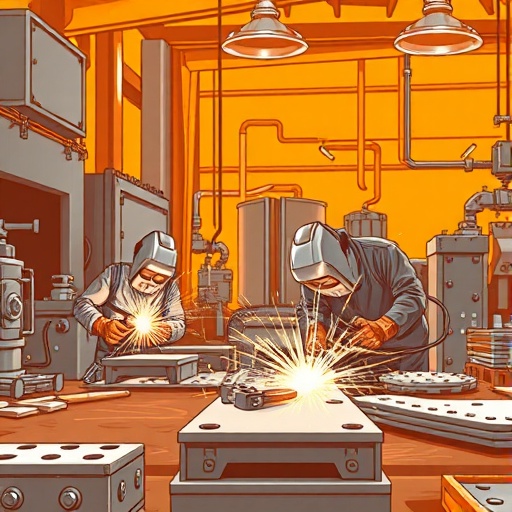
Automated cutting and robotic welding systems increase throughput while maintaining precision. Software integration allows direct transfer of design files into machine instructions, reducing manual input errors. Pasadena shops adopting these tools shorten lead times for complex structural steel assemblies. Real-time monitoring provides data that refines future estimates and quality controls.
Advanced alloys and coatings respond to evolving performance demands in seismic and corrosive environments. Laser scanning captures existing conditions for accurate retrofit fabrications. These technologies position local fabricators to handle larger and more intricate projects efficiently.
Sustainability Practices in Metal Works
Recycled content in structural steel exceeds ninety percent, supporting green building certifications. Fabricators optimize nesting layouts to minimize scrap during cutting operations. Energy-efficient equipment and water-based coatings reduce environmental impact of metal works. Pasadena, CA facilities track embodied carbon to meet client sustainability goals.
Closed-loop processes return byproducts to suppliers for reprocessing. Longer service lives from improved corrosion protection decrease replacement frequency. These practices align fabrication with broader California environmental regulations while controlling costs.
The Growing Demand for Custom Metal Fabrication
Architects and engineers increasingly specify unique forms that require custom metal fabrication. Digital design tools enable visualization of complex geometries before production. Pasadena metal fabrication services respond with expanded capabilities in forming and finishing. This demand spans commercial, residential, and industrial sectors seeking distinctive aesthetics and performance.
Local fabricators differentiate through rapid prototyping and responsive service. As projects emphasize resilience and adaptability, tailored steel solutions gain preference over off-the-shelf alternatives. The trend supports continued investment in skilled labor and advanced equipment throughout California.
See Also
- How Pasadena's Metal Fabrication Services Elevate Local Industries
- Behind the Scenes of Pasadena's Premier Metal Work Companies
- Why Pasadena is the Go-To Destination for Quality Metal Works in California
- Top Trends in Sheet Metal Fabrication in Pasadena California
- Innovative Steel Fabrication Techniques Transforming Pasadena's Landscape