How to Ensure Storing Sulphuric Acid Safely for Maximum Protection
Table Of Contents
Key Takeaways
- Comprehending Sulfuric Acid Characteristics
- Crucial Recommendations for Secure Sulfuric Acid Storage
- Protective Gear and Protocols
- Legal Requirements for Sulfuric Acid Storage
- Oversight and Upkeep
Understanding Sulfuric Acid Properties
Storing sulfuric acid safely requires a thorough understanding of its unique physical and chemical characteristics. This mineral acid is highly corrosive, exhibiting strong acidic properties that can cause severe damage to both living tissues and materials. Unlike hydrochloric acid, sulfuric acid can absorb moisture from the air, which emphasizes the need for proper containment methods to prevent spills and leaks. The management of chemical waste generated from sulfuric acid usage must also be addressed to minimize environmental impact. Effective storage practices not only protect individuals handling the substance but also safeguard against potential hazards associated with its corrosive nature.
Storing Sulphuric acid safely | Physical and Chemical Characteristics
Understanding the physical and chemical characteristics of sulfuric acid is crucial for storing it safely. This diprotic acid is highly corrosive and can cause severe chemical burns upon contact with skin. Its interaction with other chemicals, such as sodium hypochlorite, can result in dangerous reactions. Proper storage involves using appropriate container materials that can withstand its corrosive nature. For instance, an oil storage tank that is specifically designed for hazardous chemicals can help minimize the risk of chemical spills or leaks.
Effective measures for storing sulfuric acid safely also include recognizing its classification as a commodity chemical. Awareness of its properties plays an essential role in ensuring safety. Regular checks around the storage area can prevent potential hazards that arise from chemical spills. Maintaining proper labeling and securing containers will further deter accidental exposure, emphasizing the importance of safe practices in handling this aggressive chemical.
Risks Associated with Sulfuric Acid
Sulfuric acid poses significant risks if not handled properly. The highly corrosive nature of this chemical can lead to severe chemical burns upon contact with skin or eyes. It is crucial to ensure that anyone involved in the manufacturing of products, such as lead-acid batteries or during petroleum refining processes, understands the hazards associated with this substance. The strong water-soluble properties of sulfuric acid can exacerbate incidents, as any spills can quickly spread and cause more extensive damage, especially in environments where other reactive substances like hypochlorite are present.
Improper storage of sulfuric acid can lead to dangerous chemical reactions and risks to chemical safety. Inadequate containment may result in leaks or spills, posing threats to both personnel and the environment. Particularly in chemical synthesis operations, the improper handling of sulfuric acid could disrupt processes and endanger workers. Ensuring safe storage practices, like using appropriate container materials and conducting regular inspections, is essential to mitigate these risks while handling this powerful industrial chemical.
Essential Guidelines for Storing Sulfuric Acid Safely
Storing Sulphuric acid safely requires careful consideration of the materials and methods used in the storage process. Selecting appropriate container materials, such as corrosion-resistant tanks, is critical to prevent leaks or chemical spills. Storage tanks should be designed specifically for hazardous chemicals, ensuring they can withstand the highly reactive nature of sulfuric acid. Utilizing hot water storage tanks can also enhance safety by providing temperature control. Regularly inspecting these tanks for signs of wear and corrosion is essential, as well as maintaining compatibility with other chemicals, such as sodium hydroxide, to minimize risks in case of accidental mixing. Prioritizing these guidelines ensures safer handling and reduces potential hazards associated with storing sulfuric acid.
Appropriate Container Materials
Selecting the right container materials is crucial for storing sulfuric acid safely. Materials such as polyethylene and glass are often preferred, as they resist corrosion caused by sulfuric acid and other hazardous chemicals. Alternative materials like fiberglass and certain stainless steels can also provide adequate protection against chlorates and chloride exposure. Containers made from carbon steel may not be suitable, as they can corrode over time, leading to potential leaks and the release of hydrogen gas.
It is essential to avoid using containers that have been previously employed for storing alkaline substances or diesel fuel. These materials may not withstand the highly reactive nature of sulfuric acid, increasing the risk of leakage and accidents. Gas tanks or containers not specifically designed for sulfuric acid should be discarded to ensure compliance with safety standards. Selecting appropriate container materials is vital for preventing dangerous situations and ensuring that sulfuric acid is stored safely and effectively.
- Ensure containers are specifically rated for sulfuric acid storage.
- Avoid using damaged or worn containers, as they may compromise safety.
- Regularly inspect containers for signs of wear or corrosion.
- Store containers in a cool, well-ventilated area away from incompatible materials.
- Use secondary containment systems to prevent spills and leaks.
- Always label containers clearly with the contents and associated hazards.
- Follow all local regulations and safety guidelines for hazardous materials storage.
Using The Right Gauge To Avoid Overfill
Proper gauge usage is crucial for storing Sulphuric acid safely, especially within the chemical industry. Accurate measuring devices prevent the risk of overfilling storage tanks, which can lead to hazardous spills. The presence of corrosive substances, such as sodium and calcium chloride, necessitates careful monitoring to avoid unwanted oxidation and reactions within the storage environment. Implementing reliable gauges around sulphuric acid not only ensures safety but also enhances operational efficiency in sectors like mineral processing and fuel tanks.
Routine checks of the gauge calibration can significantly mitigate the risks associated with overfilling. An improperly calibrated gauge can produce misleading readings, increasing the likelihood of accidents. Operators must be trained to recognize how various substances interact with Sulphuric acid to uphold safe practices in the storage process. Adhering to effective gauge protocols reinforces the commitment to storing Sulphuric acid safely across various industrial applications.
Safety Equipment and Procedures
Proper safety equipment and procedures are essential for storing sulfuric acid safely and minimizing risks associated with this concentrated substance. Personal protective equipment (PPE) such as acid-resistant gloves, goggles, and face shields should be utilized to protect workers during handling and acid transfer activities. Ensuring that sulfuric acid tanks are equipped with appropriate containment features can help prevent leaks and spills, which are critical for maintaining safe sulfuric acid storage conditions. Training employees on emergency response measures is equally important, as it prepares them to address potential accidents effectively. Adhering to stringent sulfuric acid safety protocols not only safeguards personnel but also protects the surrounding environment from the hazards posed by improper handling and storage practices.
Personal Protective Equipment (PPE)
Protective gear is crucial for anyone involved in hazardous chemical storage, especially when storing sulfuric acid safely. To effectively manage the chemical storage challenge posed by corrosive mineral acids, workers must wear appropriate PPE, including acid-resistant gloves, goggles, and face shields. These items safeguard against exposure to the highly corrosive nature of sulfuric acid, which can lead to severe injuries if mishandled. Ensuring the use of approved acid-resistant materials further enhances safety when interacting with chemical storage tanks.
Employers must prioritize the provision of PPE that meets industry standards to protect workers engaged in activities involving chemical storage tanks. Proper training on the correct use and maintenance of this protective equipment is essential for handling chemicals like sulfuric acid safely. In high-risk environments, such as facilities that also store hypochlorite storage tanks, a comprehensive understanding of the specific chemical needs and potential hazards is imperative. Adhering to stringent PPE protocols helps minimize the risks associated with hazardous chemical storage and promotes a safer working environment.
Emergency Response Measures
Effective emergency response measures are crucial in mitigating incidents involving sulfuric acid. Quick access to acid-resistant materials can help contain spills and protect personnel. Training staff in recognizing sulfuric acid aerosols and understanding the dangers associated with these substances enhances overall chemical management capabilities. Implementing proper protocols for sodium hydroxide storage can neutralize spills and reduce risks during emergencies. Safe storage solutions must be in place to prevent accidental exposure to this dangerous chemical.
Preparedness is key in any emergency situation involving sulfuric acid. Facility layouts should include clear evacuation routes and designated areas for acid displays. Regular drills can ensure that all personnel are familiar with emergency procedures. Maintaining a stocked supply of appropriate neutralizing agents is essential for swift response. Establishing a well-defined plan for storing sulfuric acid safely reinforces a culture of safety and readiness within the organization.
Regulatory Standards for Sulfuric Acid Storage
Proper storage of sulfuric acid involves adherence to regulatory standards designed to mitigate risks associated with this heavy chemical. Compliance with local regulations often requires specialized petroleum tanks and fuel storage tanks that can handle different chemical properties, ensuring they resist corrosion and leakage. Utilizing chemical management software can streamline the processes involved in monitoring storage conditions and managing inventory effectively. It's crucial to account for interactions with alkaline substances and to ensure that acidic drain cleaners are stored separately to prevent hazardous reactions. Regular chemical waste pick-up services must be established to handle any spills or leaks swiftly, reinforcing the importance of storing sulfuric acid safely in accordance with industry best practices.
Compliance with Local Regulations
Regulatory compliance is essential for storing Sulphuric acid safely in any facility. Authorities establish guidelines to address the acidic nature of the chemical, ensuring that it is handled and stored properly. This includes stipulations on the use of appropriate materials and designs for storage solutions. Compliance also involves the management of used chemicals, emphasizing proper disposal methods and restrictions against using water storage tanks that may corrode or react adversely with the acid.
It is critical for businesses to stay updated on local regulations concerning chemical storage. Standards often dictate where and how Sulphuric acid can be stored, including requirements for ground gas storage and preventing leaks or spills. Adhering to these regulations not only protects the environment but also safeguards personnel and the surrounding community, promoting safer practices for storing Sulphuric acid safely.
Industry Best Practices
Implementing best practices for storing sulfuric acid safely is essential for minimizing risks. Utilizing appropriate storage tanks, such as steel storage tanks and ground storage tanks, can significantly reduce the likelihood of chemical reactions. It is crucial to choose the right storage tanks designed specifically for corrosive substances. Regular assessments of compatibility with common chemicals will help avoid any unforeseen storage challenges, especially concerning the production of flammable hydrogen gas.
Proper labeling and signage are vital components of effective storage practices. Clearly marked areas reduce the chances of accidental exposure or mishandling. Ensuring that storage facilities meet regulatory guidelines, including those related to residential gasoline storage, can enhance overall safety. Routine training for personnel involved in the handling and storing of sulfuric acid reinforces safe practices and compliance with industry standards.
- Ensure all storage tanks are regularly inspected for leaks or corrosion.
- Maintain proper ventilation in storage areas to prevent the accumulation of harmful vapors.
- Implement secondary containment systems to capture spills or leaks from storage tanks.
- Use personal protective equipment (PPE) for all individuals handling sulfuric acid.
- Develop and enforce an emergency response plan specifically for sulfuric acid incidents.
- Install appropriate fire suppression systems in storage areas to mitigate potential fire risks.
- Keep Material Safety Data Sheets (MSDS) readily available for all personnel.
Monitoring and Maintenance
Regular inspections of storage areas are crucial for storing Sulphuric acid safely. Monitoring for leaks and the integrity of many storage tanks helps prevent environmental contamination and the release of dangerous substances. Special attention is needed around ground water storage to ensure that acid aerosols do not pose a risk to surrounding areas. Storage facilities that handle diesel fuel or hot water should be assessed for compatibility with sulfuric acid. Personnel must be equipped with acid-resistant clothing during maintenance checks to minimize exposure risks. Establishing a routine inspection protocol can enhance safety and compliance with regulatory standards.
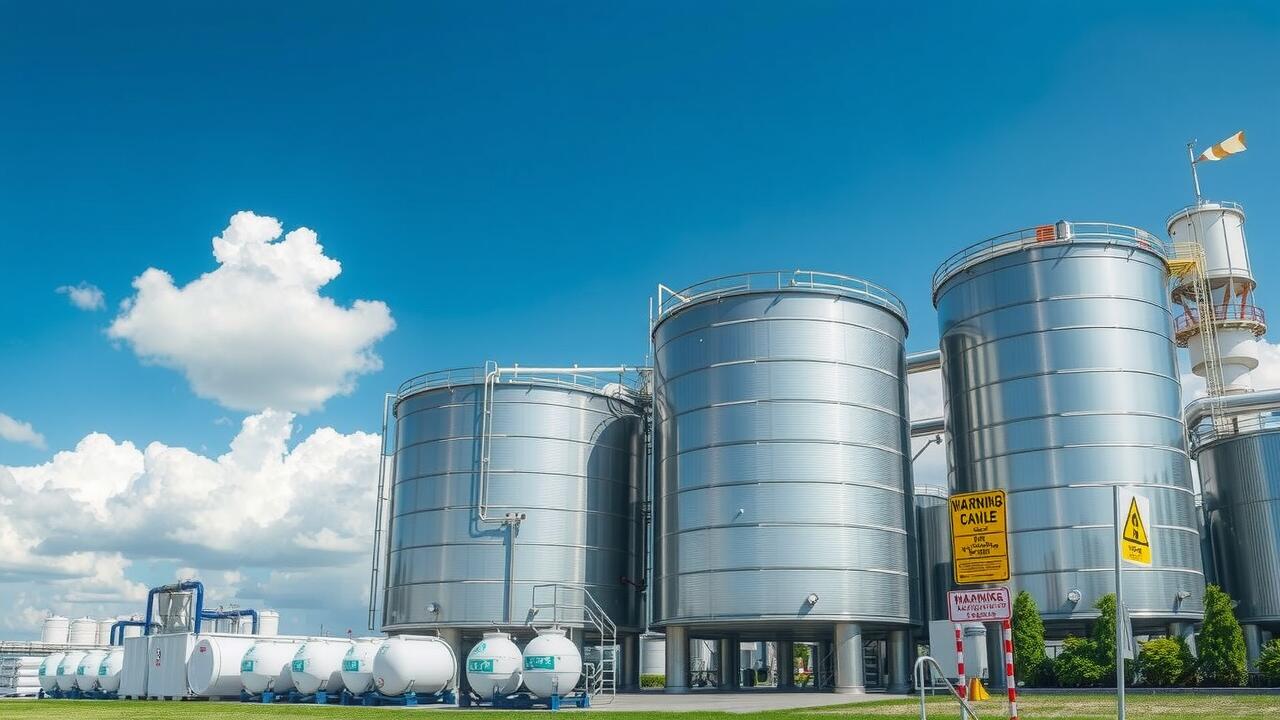
Regular Inspections of Storage Area
Regular inspections of the storage area are crucial for ensuring the safe containment of sulfuric acid. Inspecting containers such as polyethylene tanks and checking viton gaskets can help prevent leaks and spills. Customized storage solutions should accommodate the specific requirements of sulfuric acid, allowing for optimal safety and reducing the risk of hazardous waste disposal. Routine evaluations enable facility managers to maintain a safe environment while effectively storing sulfuric acid safely.
Maintaining a consistent inspection schedule can help identify any deterioration in the storage containers or potential compliance issues. During these inspections, it is important to monitor the integrity of tanks and ensure proper labeling for waste disposal procedures. By regularly assessing the storage area, facilities can enhance their ability to store sulfuric acid safely and mitigate risks associated with leaks or accidents.
Conclusion
Storing sulfuric acid safely is paramount in preventing accidents and ensuring environmental protection. Choosing the right container plays a crucial role, with polyethylene tanks being a common choice due to their resistance to corrosion and chemical reactions. Implementing customized storage solutions can help avoid leaks, especially when using viton gaskets that provide superior sealing properties. Regular inspections are also necessary to identify any signs of wear or damage. Proper disposal methods for waste are essential, ensuring that all residual sulfuric acid is handled in compliance with regulations. Prioritizing safety in the storage and handling of sulfuric acid can significantly mitigate risks associated with this potent substance.
FAQS
What are the best practices for storing concentrated sulfuric acid safely, considering it is a corrosive chemical often used in oil refining and diesel storage tanks?
When storing concentrated sulfuric acid, it's crucial to use proper gsc tanks designed for corrosive chemicals. Ensure that the area is well-ventilated to prevent any buildup of gases if a chemical spilled occurs. Additionally, storing sulfuric acid away from diesel fuel storage and waste water tanks is essential to avoid potential hazardous interactions. Always have a plan for how to safely dispose of any spilled chemical or waste to minimize environmental impact. Remember, sulfuric acid is an international commodity chemical, and its handling must comply with local regulations.
What precautions should be taken when storing sulfuric acid, particularly in relation to oil refining and diesel storage tanks?
When storing sulfuric acid, especially in contexts like oil refining and diesel storage tanks, it's crucial to follow safety protocols. Ensure that storage containers are made of materials resistant to corrosion and that they are properly labeled. Additionally, keep sulfuric acid away from incompatible substances and in a well-ventilated area to mitigate risks associated with fumes or spills. Regular inspections of storage sites help maintain safety in environments where sulfuric acid is used, such as in oil refining and diesel storage tanks.
How can I ensure safe storage conditions for sulfuric acid in industrial settings, particularly in the context of oil refining and diesel storage tanks?
To ensure safe storage conditions for sulfuric acid in industrial settings such as oil refining and diesel storage tanks, it is essential to keep the acid in appropriate, corrosion-resistant containers, maintain proper ventilation, and keep it away from incompatible materials. Additionally, regular inspections and adhering to safety regulations are crucial for minimizing risks associated with sulfuric acid storage.
What special considerations should be taken into account for the safe storage of sulfuric acid in chemical industrial environments?
When storing sulfuric acid in chemical industrial environments, it's crucial to consider factors such as using appropriate containers made of materials resistant to corrosion, ensuring proper labeling and signage, providing adequate ventilation, and implementing spill containment measures.
What additional protective measures can be implemented when setting up sulfuric acid storage near oil refining facilities?
When storing sulfuric acid near oil refining facilities, it’s crucial to implement additional protective measures such as using secondary containment systems to prevent leaks, ensuring adequate ventilation to disperse vapors, and utilizing corrosion-resistant materials for storage tanks and piping. Regular inspections and maintenance are also important to uphold safety standards.