Custom Solutions The Rise of Wisconsin Swiss Machined Components
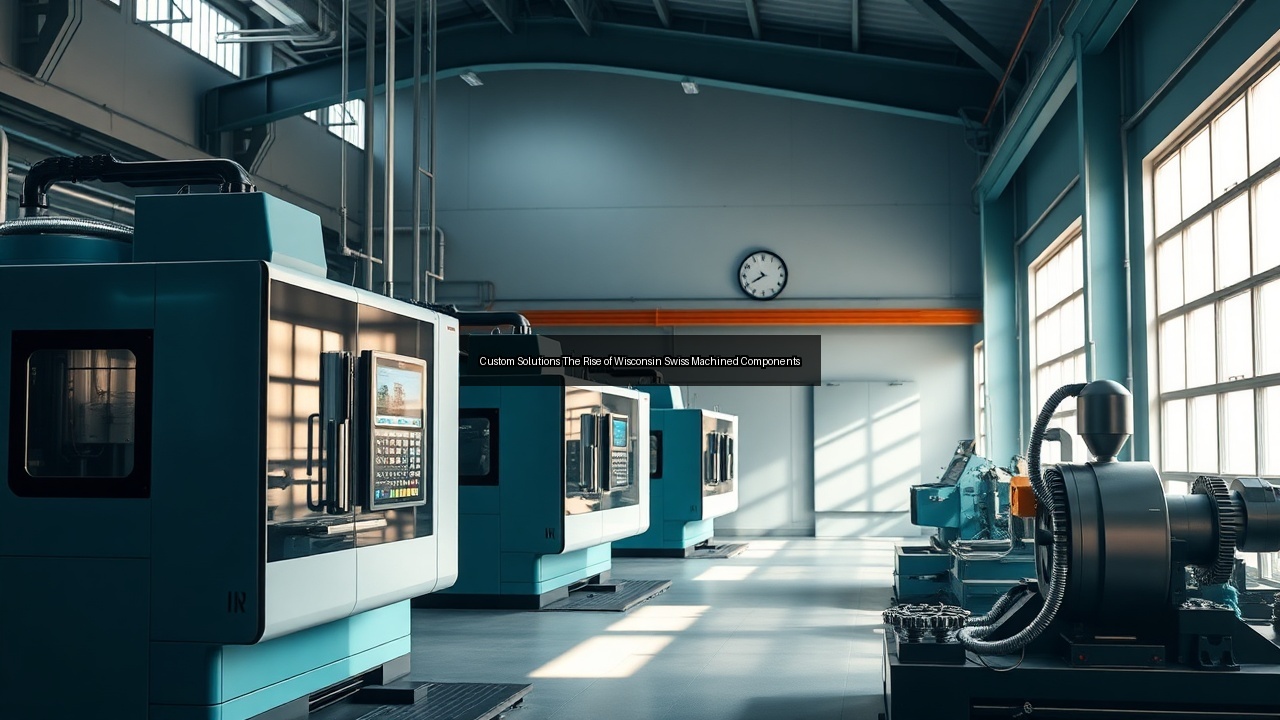
The Evolution of Wisconsin Swiss Precision Machining
Historical Background of Swiss Machining
Wisconsin has developed a reputation as a hub for precision machining, particularly in the realm of Swiss-style machining. This technique originated in the late 19th century in Switzerland, where manufacturers began using specialized lathes to create intricate, high-precision components. These machines allowed for the production of small, complex parts with exceptional accuracy and repeatability. Over the decades, this method spread globally, finding a solid foothold in Wisconsin, where skilled machinists embraced the technology. The state’s unique blend of craftsmanship and engineering has fostered a culture that prioritizes quality and precision, making Wisconsin a leader in the Swiss machining sector.
Key Innovations in CNC Machining
Computer Numerical Control (CNC) technology revolutionized the manufacturing landscape, particularly in the field of Wisconsin Swiss precision machining. CNC machining introduced automation and enhanced control over the machining process. This innovation enabled manufacturers to produce complex geometries with minimal human intervention, significantly increasing efficiency. Advanced programming languages allow for precise control of CNC lathes and milling machines, enabling the production of intricate components that meet tight tolerances. Wisconsin’s machining industry has adapted to these innovations, investing in cutting-edge CNC machining centers to maintain a competitive edge. These advancements in CNC technology continue to drive growth in the sector, ensuring that local manufacturers can meet diverse customer needs.
The Role of McCormick Industries in the Wisconsin Scene
McCormick Industries exemplifies the success of Wisconsin Swiss precision machining. Founded in the heart of Wisconsin, the company specializes in custom precision machining, utilizing advanced CNC lathes and milling machines to produce high-quality machined parts. McCormick Industries has carved a niche within various industries, including aerospace, telecommunications, and automotive, by focusing on accuracy and customer satisfaction. The company’s commitment to innovation and continuous improvement positions it as a leader in the field. By offering tailored solutions and maintaining rigorous quality control, McCormick Industries helps elevate Wisconsin’s status in the global machining landscape.
Technological Advancements in Machining
CNC Machining: A Game Changer
CNC machining transformed the manufacturing industry by introducing unparalleled levels of precision and efficiency. This technology allows for the automated control of machining processes, significantly reducing human error. Wisconsin’s manufacturers have embraced CNC machining to optimize production workflows, resulting in faster turnaround times and improved product quality. The ability to program CNC machines for complex tasks means that companies can produce intricate parts with ease. This shift not only streamlines operations but also enhances the capacity to deliver custom solutions tailored to specific client needs. As competition intensifies, CNC machining remains a vital component for manufacturers aiming to stay ahead in the market.
Exploring CNC Lathes and Turning Techniques
CNC lathes play a crucial role in Wisconsin Swiss precision machining, especially for producing cylindrical components. These machines utilize advanced turning techniques to shape raw materials into finished parts with exceptional accuracy. The automation of CNC lathes allows for complex profiles and threading, which are essential in various applications, such as aerospace and automotive components. By incorporating high-speed machining capabilities, manufacturers can achieve tighter tolerances and superior surface finishes. This ability to produce intricate designs quickly makes CNC lathes indispensable in today’s manufacturing landscape, enabling Wisconsin’s machinists to meet the high demands of diverse industries.
The Precision of CNC Milling Machines
CNC milling machines are another cornerstone of Wisconsin’s precision machining landscape. These machines excel at producing flat and contoured surfaces, making them ideal for a variety of applications. machined parts Utilizing multi-axis capabilities, CNC milling allows for complex geometries and intricate details, critical in sectors like optics and electronics. The precision offered by CNC milling ensures that components adhere to strict tolerances, which is essential for maintaining the integrity of complex assemblies. Wisconsin manufacturers have invested in state-of-the-art CNC milling machines that enhance productivity while minimizing waste, setting new benchmarks for quality and efficiency in the machining process.
Applications of Wisconsin Swiss Machined Components
Aerospace Industry Requirements
The aerospace industry demands the highest level of precision and reliability, making Wisconsin Swiss machined components essential. Manufacturers in this sector require parts that can withstand extreme conditions while maintaining strict tolerances. Wisconsin-based companies leverage advanced CNC machining techniques to produce critical components such as turbine blades, structural elements, and fasteners. The rigorous certification processes in aerospace manufacturing ensure that only the most capable suppliers meet the stringent quality standards. Wisconsin’s expertise in Swiss precision machining allows manufacturers to fulfill these requirements, establishing a reputable supply chain for the aerospace industry.
Telecommunications and Electronics
Telecommunications and electronics sectors rely heavily on precision machined components for their intricate assemblies. Wisconsin’s manufacturers supply various parts, including connectors, housings, and circuit boards, all of which require high precision and reliability. Swiss machined components play a pivotal role in ensuring that these products meet performance standards in a rapidly evolving technological landscape. The use of CNC machining enables manufacturers to quickly adapt to changing design specifications, ensuring timely delivery without sacrificing quality. As the electronics industry continues to evolve, Wisconsin’s focus on precision machining positions it as a key player in meeting the demands of this dynamic market.
Optics and Automotive Applications
In the optics and automotive industries, precision is paramount. Wisconsin Swiss machined components play a critical role in producing optical instruments, sensors, and automotive parts that require exact specifications. The integration of CNC machining allows for the production of complex shapes and fine details that meet industry standards. The automotive sector benefits from high-precision components that enhance vehicle performance and safety. Wisconsin's manufacturers deliver customized solutions that cater to the unique requirements of these industries, ensuring that they remain competitive in a global marketplace while adhering to the latest innovations in precision machining.
Challenges and Future Trends in Precision Machining
Maintaining Accuracy and Tolerances
Maintaining accuracy and tight tolerances presents ongoing challenges in Wisconsin Swiss precision machining. As designs become more complex, manufacturers must invest in advanced tools and technologies to ensure precise outcomes. Regular maintenance and calibration of CNC machines are essential for sustaining high levels of accuracy. Moreover, skilled machinists must possess a deep understanding of material properties and machining techniques to navigate these challenges effectively. The continuous evolution of design specifications necessitates ongoing training and education for the workforce. Addressing these challenges is crucial for manufacturers to uphold their reputation for quality and reliability.
The Impact of High-Tech Solutions
The introduction of high-tech solutions, such as automation and artificial intelligence, is reshaping the landscape of precision machining in Wisconsin. These advancements streamline operations and enhance productivity, allowing manufacturers to produce high-quality components more efficiently. The integration of smart technologies into CNC machining centers enables real-time monitoring and adjustments, reducing downtime and improving overall precision. As manufacturers adopt these high-tech solutions, they position themselves to meet increasing market demands while optimizing their production processes. Embracing these innovations will be vital for Wisconsin’s machining industry to remain competitive in a rapidly evolving global market.
Sustainability in Swiss Machining Practices
Sustainability has become a focal point in the manufacturing sector, including Wisconsin Swiss precision machining. Manufacturers are increasingly adopting environmentally friendly practices, such as reducing waste and optimizing energy consumption. The use of advanced CNC machines can minimize material waste during production, contributing to a more sustainable approach. Additionally, companies are exploring eco-friendly materials and processes to lessen their environmental impact. By prioritizing sustainability, Wisconsin’s manufacturers can not only meet regulatory requirements but also appeal to environmentally conscious consumers. This commitment to sustainable practices positions the state as a forward-thinking leader in the precision machining industry.
See Also
- CNC Turning vs. CNC Milling Discovering Wisconsin's Machining Expertise
- Thread Rolling Techniques in Wisconsin's High-Tech Swiss Machining Sector
- Welding Innovations in Swiss Precision Machining from Wisconsin
- Optics and Precision How Wisconsin is Shaping the Future of Swiss Machining
- The Evolution of CNC Machining Centers in Wisconsin's Manufacturing Scene