Innovative Solutions for Humidity Management in YMCA Indoor Pools
Understanding Humidity Challenges in YMCA Indoor Pools
The Importance of Humidity Control in Natatoriums
Humidity control stands as a critical factor in maintaining safe and comfortable natatoriums within YMCA facilities. Indoor pools evaporate water constantly, releasing moisture into the air that can reach uncomfortable levels without proper management. YMCA indoor pools serve diverse groups, from fitness enthusiasts to youth swimmers, so effective humidity control ensures everyone enjoys a pleasant environment. High humidity fosters mold growth on walls and ceilings, deteriorates building materials like cement, and creates slippery surfaces that increase injury risks. Dehumidification systems combat these issues by removing excess moisture, preserving the structural integrity of the room and enhancing air quality. ASHRAE guidelines emphasize maintaining relative humidity between 50% and 60% to prevent corrosion on equipment and discomfort for users. Without robust humidity control, natatoriums face higher maintenance costs and potential closures. Investing in swimming pool dehumidifiers pays off by extending the lifespan of heaters, water filters, and other pool components. YMCA managers report that consistent dehumidification reduces complaints about foggy mirrors and clammy air, fostering a welcoming space. Advanced technologies now integrate seamlessly into existing setups, offering energy-efficient solutions tailored to the unique demands of indoor pools. Proper control also complies with health regulations, ensuring the facility operates smoothly year-round.
Impact of Relative Humidity on Indoor Pool Environments
Relative humidity directly shapes the atmosphere in indoor pool environments, influencing everything from swimmer comfort to facility longevity. When relative humidity climbs above 60%, condensation forms on cooler surfaces, leading to water damage and mold proliferation in YMCA indoor pools. This excess moisture accelerates wear on cement floors and walls, weakening the foundation of the natatorium. Swimmers experience discomfort from heavy, humid air that makes breathing feel labored and skin feel sticky after sessions. Indoor pools without adequate dehumidification see reduced attendance as members seek drier alternatives. Relative humidity affects energy efficiency too; high levels force heating systems to work harder, spiking utility bills. Dehumidified air allows climate control to function optimally, balancing temperature and moisture for a refreshing swim. Experts note that maintaining 50-60% relative humidity prevents bacterial growth in stagnant water pockets around the pool room. Integrating swimming pool dehumidifiers mitigates these impacts, creating a stable microclimate. For YMCA facilities, this means safer workouts and lower long-term costs. Monitoring relative humidity with sensors provides real-time data, enabling proactive adjustments. Ultimately, mastering this balance transforms indoor pools into vibrant community hubs rather than damp challenges.
ASHRAE Standards for Indoor Pool Climate Control
ASHRAE standards guide indoor pool climate control, setting benchmarks that YMCA facilities must meet for optimal performance. These guidelines recommend relative humidity levels of 50-60% and temperatures around 82-86°F for swimmer comfort and equipment protection. Natatoriums adhering to ASHRAE protocols avoid common pitfalls like excessive condensation and structural damage. Swimming pool dehumidifiers play a central role in achieving these standards, efficiently extracting moisture without over-drying the air. ASHRAE stresses the integration of ventilation systems with dehumidification to ensure fresh air circulation, reducing chemical vapors from pool water. For commercial swimming pool dehumidifiers, compliance involves sizing units based on pool volume and bather load, typically measured in CFM for airflow. YMCA indoor pools benefit from ASHRAE's emphasis on energy recovery, where heat from dehumidification warms incoming air, cutting heating costs. Standards also address noise levels and filtration, ensuring quiet operation in family-oriented spaces. Experts advise regular audits to verify adherence, preventing issues like corrosion on metal fixtures. By following ASHRAE, facilities enhance safety and sustainability. These protocols evolve with technology, incorporating smart controls for precise climate management. Implementing them elevates YMCA pools to professional standards, attracting more users.
Innovative Dehumidification Technologies for Indoor Pools
Overview of Swimming Pool Dehumidifiers
Swimming pool dehumidifiers revolutionize moisture management in indoor pools, offering targeted solutions for YMCA natatoriums. These units pull humid air over cold coils, condensing water vapor into a drain, much like household models but scaled for commercial use. Indoor swimming pool dehumidifiers handle the high evaporation rates from heated water, maintaining ideal relative humidity. Key features include corrosion-resistant construction to withstand chlorine exposure and variable speed fans for quiet operation. Pool dehumidifiers integrate with existing HVAC systems, enhancing overall climate control without major renovations. Energy-saving designs recover heat from the process, preheating pool water or room air to lower bills. For dehumidifier for pool setups, capacity matters—units rated for 10,000 to 50,000 CFM suit most YMCA sizes. Advanced models feature digital controls for monitoring and automatic adjustments based on humidity sensors. Swimming pool dehumidification prevents mold and extends the life of dryers and heaters nearby. Users praise their reliability in heavy-use environments, ensuring consistent performance during peak hours. Selecting the right swimming pool dehumidifier involves assessing room volume and usage patterns for maximum efficiency.
Desiccant Dehumidifiers: A Game Changer
Desiccant dehumidifiers emerge as a game changer for humidity control in YMCA indoor pools, using moisture-absorbing materials like silica gel instead of refrigeration. These systems rotate a wheel of desiccant through humid air, capturing water molecules that regenerate via heat, delivering exceptionally dry air. Ideal for natatoriums with high latent loads, desiccant dehumidifiers excel in colder climates where traditional units falter. Swimming pool dehumidifiers of this type achieve lower relative humidity levels, preventing condensation on glass enclosures and cement surfaces. Energy efficiency shines through reactivation using waste heat from boilers or pool heaters, slashing operational costs. For commercial swimming pool dehumidifiers, their modular design allows scalability to match any pool room size. Experts highlight their low maintenance needs, with fewer moving parts than mechanical alternatives. In YMCA facilities, desiccant units improve air quality by minimizing chemical off-gassing, creating a healthier swim environment. Integration with heat pumps boosts overall system performance, recovering energy for heating. Case studies show reduced mold incidents and happier users after installation. As technology advances, hybrid desiccant systems promise even greater savings, positioning them as essential for modern indoor pools.
Energy Saving Solutions: Heat Pumps and Dryers
Energy saving solutions like heat pumps and dryers transform dehumidification in indoor pools, prioritizing efficiency in YMCA operations. Heat pump dehumidifiers combine moisture removal with water heating, using extracted energy to warm pool temperatures directly. This dual function cuts reliance on separate heaters, reducing energy consumption by up to 70% in natatoriums. Swimming pool dryers, often paired with these systems, target surface moisture on decks and walls, preventing slips and decay. For dehumidifier for swimming pool needs, heat pumps handle both sensible and latent loads, maintaining climate control effortlessly. Relative humidity stays optimal without excessive electricity draw, thanks to inverter technology that adjusts output dynamically. Commercial setups benefit from these innovations, as they comply with ASHRAE energy standards while lowering carbon footprints. Experts recommend sizing based on CFM requirements and pool evaporation rates for peak performance. In YMCA indoor pools, such solutions extend equipment life by stabilizing the environment around water filters and ventilation. Routine integration with smart controls further optimizes savings, alerting staff to inefficiencies. These technologies not only manage humidity but also support sustainable practices, appealing to eco-conscious communities.
Selecting the Best Dehumidifier for YMCA Pools
Criteria for Choosing Commercial Swimming Pool Dehumidifiers
Choosing commercial swimming pool dehumidifiers demands careful consideration of several criteria to suit YMCA indoor pools. First, evaluate capacity based on pool surface area and ceiling height, ensuring the unit processes enough air volume in CFM to combat evaporation. Corrosion resistance ranks high, as chlorine-laden air erodes standard materials—opt for epoxy-coated coils and stainless steel components. Energy efficiency, measured by EER ratings, determines long-term savings; look for models with heat recovery features. Noise levels matter in family-friendly natatoriums, so select units under 60 dB for unobtrusive operation. Integration compatibility with existing HVAC and climate control systems prevents costly retrofits. Warranty and service support from manufacturers ensure reliability in high-use environments. For heavy duty swimming pool dehumidifiers, prioritize those with variable speed drives for adaptability to bather loads. Experts advise consulting ASHRAE guidelines during selection to meet standards. Budget for sensors that monitor relative humidity and trigger automatic operation. Ultimately, the best dehumidifier for pool aligns with facility goals, balancing upfront costs with operational benefits for sustained humidity control.
Top Heavy Duty Swimming Pool Dehumidifiers
Top heavy duty swimming pool dehumidifiers stand out for their robustness in demanding YMCA environments. Models like the Dri-Eaz Drieaz and Quest Climate Pro deliver massive CFM outputs, ideal for large natatoriums with constant high humidity. These units feature rugged builds to endure chlorine exposure, with self-diagnostic systems for quick troubleshooting. Desiccant options from Munters provide superior moisture removal in cooler settings, integrating heat recovery for energy saving. Heat pump variants, such as those from Seresco, combine dehumidification with pool heating, slashing utility expenses. Indoor swimming pool dehumidifiers in this category often include remote monitoring via apps, allowing YMCA staff to track performance from anywhere. Users rate them highly for durability, with many lasting over a decade under heavy use. Pool moisture control improves dramatically, reducing mold risks on cement walls. Selecting from top brands ensures compliance with ASHRAE standards and enhances overall climate control. These heavy duty swimming pool dehumidifiers offer customizable configurations, from modular setups to full-room coverage. Investing in them yields a drier, safer space that boosts member satisfaction.
Evaluating Dehumidifier Performance: CFM and Efficiency
Evaluating dehumidifier performance hinges on CFM and efficiency metrics, crucial for effective YMCA pool management. CFM, or cubic feet per minute, measures airflow capacity; a 20x40-foot pool typically needs 5,000-10,000 CFM to handle evaporation. Higher CFM ensures rapid relative humidity reduction, preventing condensation buildup. Efficiency gauges how well units remove moisture per energy unit consumed—aim for Integrated Part Load Values above 10 for top performers. Test runs in the natatorium reveal real-world output, factoring in room layout and bather activity. Swimming pool dehumidifiers with ECM motors excel in variable conditions, adjusting speed to maintain optimal levels without waste. Experts use psychrometric charts to predict performance, aligning with ASHRAE benchmarks. Energy saving features like heat pumps boost efficiency by recycling warmth, lowering heating demands. Regular evaluations through sensors track CFM delivery and pints-per-day removal rates. For commercial swimming pool dehumidifiers, third-party certifications validate claims. This thorough assessment guarantees the dehumidifier for pool meets needs, fostering a balanced indoor environment. Prioritizing these factors secures long-term reliability and cost control.
Troubleshooting Common Humidity Issues
Identifying Signs of Excess Humidity in Indoor Pools
Identifying signs of excess humidity in indoor pools alerts YMCA staff to act swiftly, preventing escalation. Persistent condensation on windows, mirrors, and walls signals relative humidity over 60%, common in natatoriums without adequate dehumidification. Musty odors indicate mold growth behind tiles or on cement surfaces, thriving in damp conditions. Slippery decks from moisture film heighten slip risks for swimmers exiting the pool. Foggy air and discomfort among users, like labored breathing or sticky skin, point to poor climate control. Water pooling near the pool edge or on equipment suggests failing swimming pool dehumidifiers. Inspect heaters and water filters for corrosion, early indicators of unchecked moisture. High energy bills often stem from systems overworking against humidity. Experts recommend daily visual checks and humidity meter readings to catch issues early. In YMCA indoor pools, these signs disrupt routines, so prompt identification maintains safety. Document patterns to pinpoint causes, like overloaded ventilation. Addressing them preserves the facility's appeal and longevity.
Effective Pool Moisture Control Strategies
Effective pool moisture control strategies empower YMCA facilities to maintain dry, comfortable indoor pools. Install high-capacity swimming pool dehumidifiers sized correctly for the natatorium's volume, targeting 50-60% relative humidity. Combine mechanical dehumidification with enhanced ventilation to expel moist air and introduce drier outside air when conditions allow. Cover unused pool sections with blankets to curb evaporation during off-hours. Regular cleaning of pool surfaces and decks prevents water residue buildup, aiding dryers in moisture removal. Integrate heat pumps for dual heating and dehumidifying, optimizing energy use. Monitor with automated sensors that adjust systems in real-time for consistent climate control. For commercial swimming pool dehumidifiers, schedule professional calibrations to ensure peak performance. Educate staff on usage patterns that spike humidity, like group classes, and prepare accordingly. Pool moisture control also involves sealing cracks in cement walls to trap humid air less effectively. These strategies reduce troubleshooting needs, creating a proactive approach. Success stories from similar facilities show attendance rises with reliable dryness.
Expert Tips for Routine Maintenance and Troubleshooting
Expert tips for routine maintenance and troubleshooting keep swimming pool dehumidifiers running smoothly in YMCA indoor pools. Clean coils and filters monthly to prevent efficiency drops from chlorine buildup, extending unit life. Check drain lines weekly for clogs that could cause water backup and humidity spikes. Monitor CFM output with gauges during operation to detect fan issues early. For desiccant dehumidifiers, inspect the wheel for even rotation and regenerate as per manufacturer schedules. Troubleshoot high relative humidity by verifying sensor accuracy and recalibrating if needed. Experts advise logging performance data to spot trends, like seasonal variations affecting climate control. Lubricate moving parts quarterly and test safety shutoffs annually. In natatoriums, address unusual noises by tightening belts or replacing worn bearings promptly. Integrate water filters with dehumidification checks to ensure holistic system health. When issues arise, consult ASHRAE resources for diagnostic steps. These practices minimize downtime, ensuring humidity control remains effective. Sharing tips among staff builds a culture of vigilance, safeguarding the pool room.
Future Trends in Humidity Management Technologies
Emerging Technologies in Dehumidification for Indoor Pools
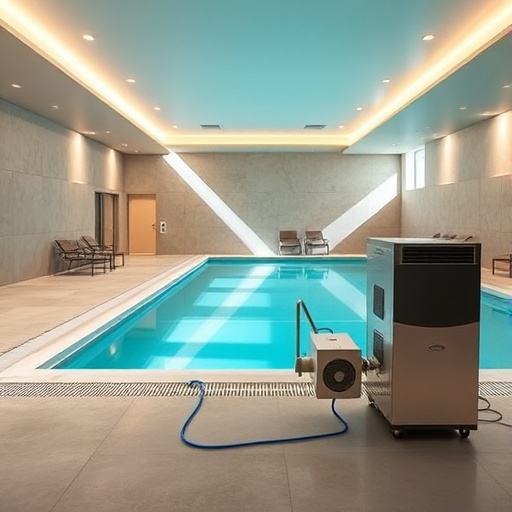
Emerging technologies in dehumidification for indoor pools promise smarter, greener solutions for YMCA facilities. Advanced membrane systems filter moisture selectively, using less energy than traditional methods while achieving precise relative humidity control. Hybrid units blending desiccant and refrigerant tech adapt to varying loads, ideal for fluctuating natatorium usage. Nanotechnology coatings on swimming pool dehumidifiers enhance corrosion resistance, prolonging life in chlorine-rich environments. Solar-assisted reactivation for desiccant wheels cuts reliance on grid power, aligning with sustainability goals. AI-driven predictive algorithms forecast evaporation based on weather and occupancy, optimizing dehumidifier operation preemptively. For indoor swimming pool dehumidifiers, modular designs allow easy upgrades without full replacements. Experts foresee widespread adoption of low-GWP refrigerants to meet environmental regs. These innovations integrate with heat pumps for comprehensive energy saving, heating pool water efficiently. Pool moisture control evolves with IoT connectivity, enabling remote diagnostics. As trends progress, costs drop, making them accessible for commercial swimming pool dehumidifiers in community centers like YMCAs.
The Role of Smart Technology in Climate Control
Smart technology plays a pivotal role in climate control for indoor pools, revolutionizing humidity management at YMCAs. IoT sensors network throughout the natatorium, providing real-time data on relative humidity, temperature, and air quality to central dashboards. Automated adjustments via apps ensure swimming pool dehumidifiers respond instantly to spikes, maintaining 50-60% levels effortlessly. Machine learning analyzes usage patterns, predicting peak humidity times and pre-empting issues. Integration with building management systems coordinates dehumidification, heating, and ventilation for holistic efficiency. For dehumidifier for pool rooms, voice-activated controls simplify staff oversight during busy shifts. Experts emphasize cybersecurity in these setups to protect data. Smart tech enables predictive maintenance, alerting to filter clogs or CFM drops before failures occur. Energy saving surges as algorithms optimize runtime, reducing bills by 30%. In YMCA indoor pools, this fosters user-centric environments, with alerts for optimal swim conditions. Future enhancements include VR interfaces for virtual troubleshooting. Overall, smart technology elevates climate control from reactive to proactive, enhancing facility operations.
Case Studies: Successful Implementations of NexGen Solutions
Case studies of successful NexGen solutions implementations highlight transformative impacts on humidity management in YMCA indoor pools. A Midwest YMCA installed NexGen desiccant dehumidifiers, slashing relative humidity from 75% to 55% and eliminating mold on cement walls within months. Energy savings Dehumidifier Corporation of America indoor swimming pool dehumidifiers hit 40% through integrated heat pumps, funding further upgrades. Another facility in California adopted smart NexGen systems with IoT monitoring, achieving precise climate control that boosted membership by 25% due to improved comfort. Troubleshooting incidents dropped 80% post-installation, as predictive analytics flagged issues early. Commercial swimming pool dehumidifiers from NexGen excelled in high-bather natatoriums, handling CFM demands seamlessly. Experts reviewed these cases, noting adherence to ASHRAE standards enhanced safety and air quality. Pool moisture control strategies, including automated dryers, prevented condensation on enclosures. One East Coast YMCA integrated NexGen with existing heaters and water filters, creating a unified efficient setup. Results included lower maintenance costs and positive user feedback on drier air. These implementations demonstrate NexGen's versatility, from heavy duty units to energy saving innovations. As more facilities adopt them, industry benchmarks rise, inspiring widespread change.